

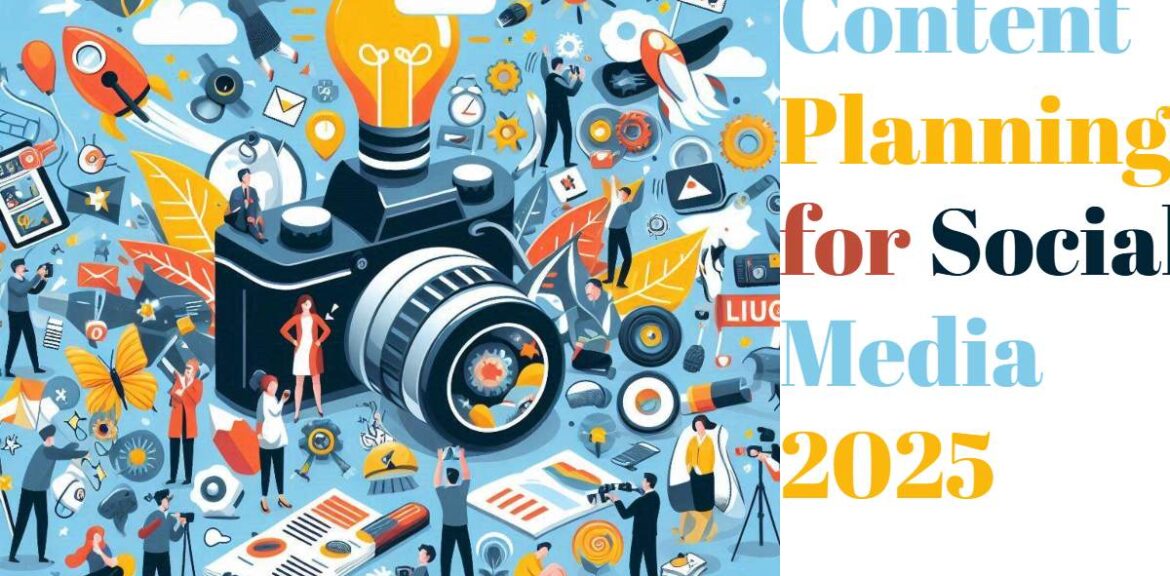

In the ever-evolving digital landscape, 2025 has brought a fresh wave of tools, algorithms, and content trends that brands and creators must master to stay relevant online.
With over 5 billion active users globally, social media is no longer just about posting frequently — it’s about strategic content planning that aligns with your goals, audience interests, and platform-specific behaviors.
If you’re looking to grow your brand, drive engagement, and convert followers into loyal customers, then this in-depth guide to content planning for social media in 2025 is exactly what you need.
What is Social Media Content Planning?
Content planning for social media involves organizing and scheduling content in advance to ensure it aligns with your marketing goals, audience behavior, and current trends. It goes beyond simply choosing what to post — it includes:
-
Content formats and types
-
Platform-specific strategies
-
Posting schedules
-
Hashtags and SEO keywords
-
Engagement goals and KPIs
Why Content Planning Is Essential in 2025
The digital user’s attention span has reduced, and algorithms now prioritize value-driven content over quantity. Here’s why content planning matters now more than ever:
-
✅ Ensures consistency in branding and messaging
-
✅ Saves time and reduces burnout
-
✅ Helps you stay ahead of trends
-
✅ Enhances audience engagement
-
✅ Improves ROI from social campaigns
-
✅ Supports multi-channel integration
Statistic: Businesses that plan content one month in advance report a 35% higher engagement rate than those posting randomly.
Step-by-Step Guide to Content Planning for Social Media 2025
Step 1: Set SMART Social Media Goals
Define your business goals with SMART criteria (Specific, Measurable, Achievable, Relevant, Time-bound). Examples include:
-
Gain 5,000 Instagram followers in 3 months
-
Increase LinkedIn engagement by 20%
-
Generate 500 website visits monthly from Facebook
Step 2: Understand Your Target Audience in 2025
Use platform analytics or tools like Meta Insights, Google Analytics, and Hootsuite to learn about:
-
Age, gender, and location
-
Active hours
-
Preferred content types (Reels, Stories, Carousels, etc.)
-
Behavior patterns and interests
Create audience personas to visualize who you’re speaking to.
Step 3: Select Your Social Media Channels Wisely
Not every platform suits every brand. Here’s a quick breakdown:
| Platform | Best For | Content Types |
|---|---|---|
| Visual storytelling | Reels, Carousels, Stories | |
| TikTok | Viral, short-form content | Videos |
| B2B networking | Articles, industry updates | |
| Community building | Videos, Live, Groups | |
| YouTube | Long-form video | Tutorials, Reviews |
| X (formerly Twitter) | Trends, news | Threads, Tweets, GIFs |
| Evergreen content | Pins, Infographics |
Step 4: Build a Monthly Content Calendar
Plan content 30–60 days ahead. Use tools like:
-
Notion
-
Trello
-
Hootsuite
-
ContentStudio
-
Later
Your calendar should include:
-
Post date/time
-
Platform
-
Caption & hashtags
-
Creative (image/video)
-
Goal (engagement, sales, awareness)
Step 5: Use the 70-20-10 Content Rule
This rule ensures a balanced and engaging feed:
-
70% Value-driven content (tips, guides, how-tos)
-
20% Shared/curated content (industry news, collaborations)
-
10% Promotional content (offers, product pushes)
Step 6: Incorporate Content Themes & Campaigns
Avoid being random. Organize your weeks/months with content themes like:
-
Motivation Mondays (quotes, mindset posts)
-
Tutorial Tuesdays (how-to videos)
-
Feature Fridays (product/service spotlights)
-
Monthly Campaigns (like Women’s Month, Black Friday, etc.)
Step 7: Optimize Captions, Hashtags & Keywords
Each post should include:
-
A compelling hook in the first 2 lines
-
A call-to-action (CTA)
-
Relevant hashtags (use 5–10 high and niche tags)
-
Keywords for SEO visibility
Tip: Use tools like RiteTag, Hashtagify, and AnswerThePublic to discover trending hashtags and topics.
Metrics to Track Social Media Success in 2025
Once your content is rolling, it’s time to measure and refine. Key metrics include:
| Metric | Why It Matters |
|---|---|
| Reach | Shows how far your content spreads |
| Engagement Rate | Indicates quality of interaction (likes, comments, shares) |
| Click-Through Rate | Measures traffic generation |
| Conversion Rate | Tracks sign-ups, purchases |
| Follower Growth | Signals brand visibility |
Use Meta Insights, Google Analytics, and Sprout Social for detailed reports.
Must-Have Tools for Social Media Content Planning
| Tool | Purpose |
|---|---|
| Canva Pro | Design graphics, carousels, Reels |
| Buffer | Schedule content across platforms |
| Trello | Organize tasks & workflows |
| Grammarly | Ensure grammar-perfect captions |
| Later | Visual calendar and scheduling |
| Lumen5 | Convert blogs into videos |
| ChatGPT | Generate content ideas, outlines, and captions |
Content Types That Dominate in 2025
To win attention on feeds, use a mix of formats:
-
Short-form video (Reels, TikToks)
-
Carousels (LinkedIn/Instagram)
-
Behind-the-scenes Stories
-
Polls & interactive posts
-
Tutorials & how-to guides
-
Memes & relatable content
-
Live videos & Q&As
Psychological Triggers to Use in Your Content
These triggers help increase clicks, shares, and conversions:
-
Urgency – “Last chance,” “Limited offer”
-
Curiosity – “You won’t believe what happened…”
-
Social proof – Testimonials, reviews
-
FOMO – Highlight what’s trending or exclusive
-
Authority – Share stats, achievements
Trends to Watch in 2025
-
AI-powered content suggestions
-
Personalized social experiences
-
Micro-influencer collaborations
-
360° and AR/VR content
-
Voice and audio snippets
-
Sustainable and ethical storytelling
Do’s & Don’ts of Social Media Content Planning
✅ Do:
-
Maintain brand consistency
-
Plan for engagement, not just promotion
-
Use platform-specific features (e.g., LinkedIn articles, Instagram Reels)
-
Repurpose content across platforms
-
Track performance and tweak regularly
❌ Don’t:
-
Spam followers with sales
-
Ignore analytics
-
Copy competitors blindly
-
Use copyrighted music/images without permission
-
Forget to engage back (reply to comments & DMs)
Read Also:- Facebook Marketing for Small Business in 2025
Real-Life Example: A Local Bakery’s 2025 Content Plan
Brand: Sweet Crumbs Bakery (Toronto)
Target Audience: Women 25–45, local foodies, party planners
Platforms: Instagram, Facebook, Pinterest
Monthly Plan:
-
Week 1: Behind-the-scenes baking Stories
-
Week 2: Product Carousel of new cupcakes
-
Week 3: User-generated content from a customer
-
Week 4: Promo offer video for holiday boxes
Results:
-
12% follower growth
-
38% increase in orders via DM
-
50+ Story replies weekly
Frequently Asked Questions (FAQs)
Q1. How far ahead should I plan social media content in 2025?
A: Ideally 30–60 days in advance, with room for real-time trends or events.
Q2. What’s the best content format for Instagram in 2025?
A: Instagram Reels and Carousels lead engagement. Reels boost reach; carousels retain attention.
Q3. How do I stay consistent with content creation?
A: Use batching (create multiple pieces at once), and scheduling tools like Buffer or Later to automate.
Q4. Can I repurpose old content?
A: Yes! Turn blogs into carousels, videos into Reels, or testimonials into Stories.
Q5. How many hashtags should I use in 2025?
A: Between 5–10 per post, focusing on a mix of trending, niche, and branded hashtags.
Final Thoughts
Social media success in 2025 comes down to being intentional, data-driven, and creative. With the right planning tools and strategy, you’ll build a presence that not only grows your audience but also drives measurable results.
Whether you’re managing a personal brand or a corporate account, this guide can help you streamline your social media planning, reduce overwhelm, and unlock sustainable growth.